Dress for Every Day of the Year: Building a Closet That Never Lets You Down
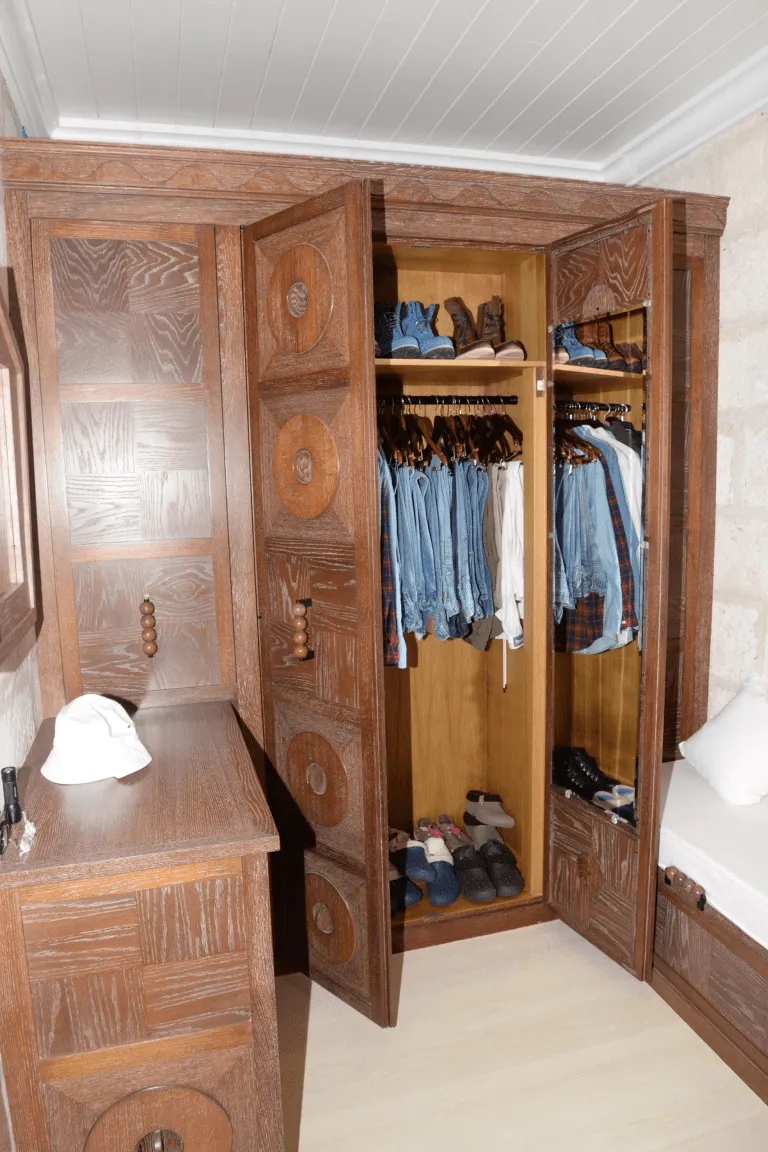
Photo: Federal Bureau of Investigation, Public domain, via Wikimedia Commons
Most of us have been there. You're staring into a closet stuffed with clothes, and somehow — impossibly — there's nothing to wear. Sound familiar? The problem usually isn't a lack of stuff. It's a lack of strategy. Building a wardrobe that pulls its weight every single day of the year comes down to a few smart decisions made upfront, and once you nail them, the impulse to panic-buy a new outfit every season starts to fade pretty fast.
At ShopMix365, we think about this a lot. Buying things that genuinely serve you — rather than things that just feel exciting in the cart — is kind of our whole deal. So let's get into the actual mechanics of a year-round closet that works.
Start With Color: The Quiet Power of a Neutral Base
Before you think about specific pieces, think about color. A wardrobe that mixes and matches easily almost always starts with a neutral foundation. We're talking whites, creams, grays, navy, camel, and black. These aren't boring choices — they're multiplying choices. Every neutral you own can theoretically work with everything else you own.
Once your base is solid, you can layer in two or three accent colors that you genuinely love and that work well together. Maybe it's a warm terracotta and olive green. Maybe it's dusty blue and burgundy. The specifics matter less than the consistency. When your accent colors actually complement each other, even your "fun" pieces stay wearable across more outfits.
A good rule of thumb: if a new item doesn't work with at least five things already in your closet, it's probably not a year-round player.
Fabric Weight Is Everything (Seriously)
Here's the part most people skip: fabric weight. This is the difference between a closet that transitions smoothly through the year and one that leaves you sweating in October or shivering in April.
Think in three tiers:
- Lightweight fabrics — linen, fine cotton, rayon — are your warm-weather workhorses. They breathe well and keep things comfortable from June through August.
- Mid-weight fabrics — cotton twill, chambray, ponte knit, lightweight wool — are the unsung heroes of the whole system. These are your shoulder-season saviors, perfect for spring and fall, but also layerable enough to extend into winter.
- Heavyweight fabrics — thick wool, fleece, denim, corduroy — anchor your cold-weather looks and add texture when the temperature drops.
The magic happens when you invest most heavily in that middle tier. Mid-weight pieces are genuinely versatile. A ponte blazer works in February with a turtleneck underneath and in September over a t-shirt. A chambray shirt layers under a sweater in December and stands alone in May. These are the items that give you the most mileage per dollar spent.
The Math Behind a Functional Wardrobe
Let's talk numbers for a second, because the math here is actually pretty satisfying. Fashion researchers and stylists often reference what's called the "capsule" concept — a core set of pieces that combine freely to create a large number of distinct outfits.
If you have 10 tops, 5 bottoms, and 3 layering pieces, and they all work together, you're theoretically looking at hundreds of combinations. Most people don't come close to using all of those. But the point is that compatibility is the multiplier, not quantity.
Here's a practical starting framework for a year-round American wardrobe:
- 3–4 quality t-shirts in neutral tones
- 2–3 button-down shirts (one casual, one that reads slightly dressier)
- 2 lightweight sweaters or sweatshirts
- 1–2 mid-weight knit or fleece pullovers
- 1 versatile blazer or structured jacket
- 1 warm coat suited to your local climate
- 2 pairs of jeans (one dark wash, one casual)
- 1–2 pairs of chinos or trousers
- 1–2 dresses or skirts if that's part of your rotation
- Comfortable sneakers, a casual boot, and one versatile dress shoe
That's it. That's a full year. The specifics will shift based on your lifestyle — someone in Minnesota needs heavier outerwear than someone in Georgia — but the structure holds regardless of zip code.
Occasions Matter: Don't Ignore the "In Between"
One of the biggest gaps in most people's wardrobes isn't formal or casual — it's the in-between. Think about how much of your actual life happens in that middle zone: a casual dinner out, a work-from-home video call, a weekend errand run that turns into an impromptu hangout. That's where most of us actually live.
Building for that middle ground means choosing pieces that can dress up or down without looking like they're trying too hard. A well-fitted crewneck sweater, dark-wash jeans with no distressing, clean leather sneakers — that's a combo that works at a casual Friday lunch and a low-key birthday dinner. No outfit change required.
When you shop with that "in-between" zone in mind, you stop buying things that only work for one specific scenario and start building a wardrobe that's actually responsive to your real life.
The One Question That Keeps Impulse Buys in Check
Here's a simple gut-check you can apply before buying anything new: Does this work with what I already own, or am I buying a new ecosystem?
A "new ecosystem" purchase is when you buy something that requires other new things to work. A sequined blazer that needs specific pants. A very particular shade of mustard yellow that doesn't go with your neutrals. These aren't inherently bad purchases, but they're not building your year-round wardrobe — they're complicating it.
When you consistently choose pieces that integrate with your existing closet, you end up spending less over time because you're not constantly filling in gaps created by one-off buys.
A Wardrobe That Works 365 Days Isn't About Restriction
None of this means your closet has to be minimalist or boring. Personal style is still personal. But there's a real difference between a closet that reflects your style and one that's just a collection of things that caught your eye at various points in time.
The goal is a wardrobe where almost everything earns its hanger space — where pulling together an outfit for any occasion, any season, any day of the week feels easy instead of stressful. Once you get there, you'll probably find that you actually enjoy getting dressed again. And honestly? That's the best reason to be thoughtful about what you bring home.