Unbox the Hype: What's Really Behind America's Mystery Box Obsession
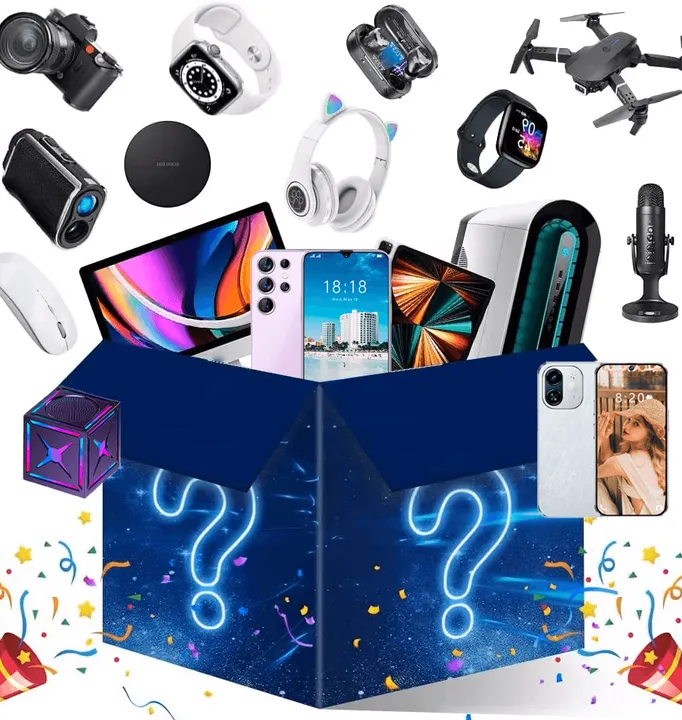
Photo: mystery box unboxing surprise package shopping excitement, via s.alicdn.com
There's something undeniably fun about not knowing exactly what you're getting. Maybe that's why mystery boxes — those curated surprise bundles that show up at your door full of unknown goodies — have exploded into a multi-billion-dollar corner of the US shopping market. From beauty subscription boxes to gaming loot crates to resale mystery pallets, Americans are spending serious money on the thrill of the unknown.
But is it actually worth it? And how do you tell the difference between a legitimately great deal and a box full of stuff you'll never use? Let's get into it.
Why the Surprise Factor Hits Different
Psychologists have a name for what happens when you receive something unexpected: it triggers a dopamine response that's actually stronger than the one you'd get from something you anticipated. In plain terms, surprises feel more rewarding than expected rewards — even if the actual contents are roughly equivalent.
That's a big part of what mystery box brands are selling. It's not just the product. It's the experience of not knowing, the moment of reveal, the potential that something really great might be inside. Retailers figured this out and ran with it, and social media made it exponentially more powerful.
Unboxing videos have racked up billions of views on YouTube and TikTok. Watching someone else open a mystery box is its own entertainment genre now, and it doubles as free marketing for the brands involved. The viewer gets the vicarious thrill, the brand gets exposure, and the cycle keeps spinning.
The Types of Mystery Products Out There
Not all mystery boxes are created equal, and understanding the different categories helps you make smarter choices.
Subscription boxes are probably the most familiar format. You sign up for a monthly or quarterly delivery in a specific niche — skincare, snacks, books, pet supplies, you name it. The appeal here is curation: someone else has theoretically done the work of finding interesting products so you don't have to. The value proposition varies wildly by brand, but the best ones consistently deliver items worth more than the subscription price.
Retail mystery bundles are increasingly common from big-name e-commerce platforms and individual sellers. These often include overstock, customer returns, or discontinued items bundled together at a discount. The value can be genuinely good, but quality is inconsistent — you might score something great, or you might end up with three of the same item you'd never pick on your own.
Limited-edition drops and hype boxes lean hard into exclusivity. Think sneaker mystery packs, collectible figure blind boxes, or gaming peripheral surprise bundles. These are built around scarcity and collector culture, and they often carry a premium price tag to match. The potential upside (a rare item worth way more than you paid) is real, but so is the potential downside.
Liquidation pallets are the wild west of the mystery box world. These large lots of returned or unsold merchandise get sold off cheap, and resellers have made a whole content genre out of buying and opening them. The floor here can be very low — broken items, mismatched sets, things with no obvious use — but the occasional pallet full of high-value goods keeps the format alive.
When It's Genuinely Worth Your Money
Here's the honest truth: mystery boxes can deliver real value, but you have to shop them with your eyes open.
The best experiences tend to come from brands that are transparent about what's possible. Look for companies that publish the full list of potential items (even if you don't know what you'll get, knowing the pool helps you assess whether the odds are in your favor). Check whether the stated retail value of possible contents actually exceeds the price you're paying by a meaningful margin — not just technically, but realistically, based on what past customers have received.
Reviews are your best friend here. Reddit communities, unboxing YouTube channels, and even product review sections on shopping sites will tell you pretty quickly whether a particular box is known for padding out its value with cheap filler items versus actually delivering something worth having. Look for patterns in what people receive, not just the best-case hauls.
Subscription boxes specifically are worth trialing before committing to a long-term plan. Many offer a first-box discount or a one-time purchase option, and that's a low-risk way to see if the curation quality matches your taste before you're locked into a recurring charge.
Red Flags to Watch Out For
The popularity of mystery boxes has unfortunately attracted a fair share of sketchy operators, so it pays to know what to avoid.
Be wary of any mystery box that can't or won't tell you anything about the range of possible contents. Vague promises of "up to $X in value" without specifics are often a sign that the realistic outcome is far less exciting than the marketing suggests.
Watch out for sellers who use inflated "retail values" to make the math look better than it is. If a product is listed at a retail value that you can't actually find it selling for anywhere, that number is essentially made up.
Also, pay attention to return and refund policies. Legitimate mystery box sellers usually have clear policies even if returns aren't accepted (since the surprise element makes standard returns tricky). If a seller's policy is completely absent or impossible to find, that's worth pausing on.
The Bottom Line on Surprise Shopping
Mystery boxes aren't going anywhere — and honestly, they don't need to. When they're done well, they genuinely deliver a fun, value-packed experience that feels different from regular shopping. The thrill is real, and for the right products and the right buyer, it's totally worth it.
But the key is treating them like any other purchase: with a little research, a clear sense of what you're actually hoping to get out of it, and a healthy dose of skepticism toward anything that sounds too good to be true. Shop the surprise, just don't let the surprise do the shopping for you.