Why Filling Your Cart to the Brim Leaves You Empty-Handed on the Stuff That Matters
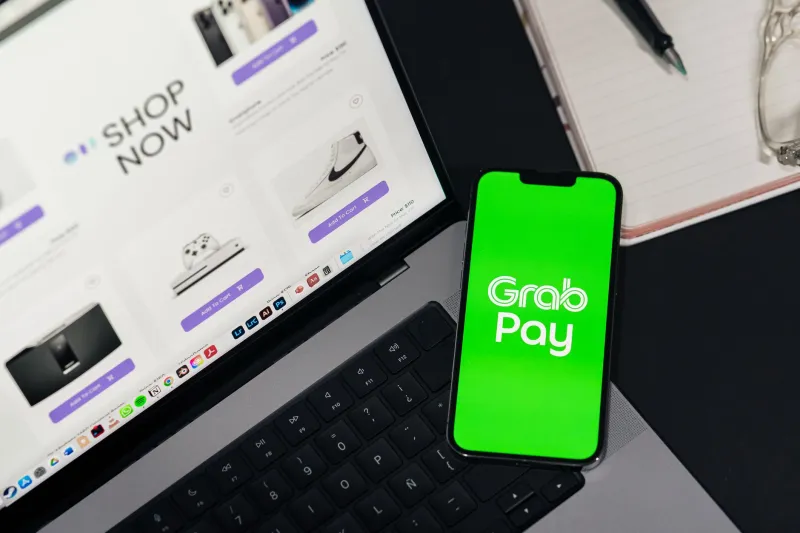
The Cart That Looks Full but Feels Wrong
You've done it. You open a tab to buy one specific thing — a replacement phone charger, a new set of dish towels, maybe some vitamins you've been putting off. You find it, add it to your cart, and then... pause. The total feels a little low. Shipping kicks in under a certain amount. Or maybe the site is nudging you with a "customers also bought" carousel that's surprisingly convincing.
So you add something else. And then maybe one more thing. By the time you hit checkout, your cart has tripled in size — and somehow, you still feel vaguely unsatisfied.
This isn't a fluke. It's a pattern that researchers in consumer behavior have been tracking for years, and it has a real cost that most shoppers never bother to calculate.
The Psychology Behind 'Just One More'
Behavioral economists have a term for the mental state that drives cart-stuffing: completion bias. Our brains are wired to finish things, round things out, and close open loops. An almost-full cart triggers the same low-level anxiety as an unfinished to-do list. Adding items scratches that itch — temporarily.
But here's where it gets interesting. A 2022 study from the Journal of Consumer Research found that shoppers who added three or more unplanned items to a cart were significantly less likely to complete the purchase of their original, intended item correctly — meaning they either forgot it, substituted a cheaper version, or abandoned the cart entirely when the total got too high.
In other words, the impulse additions don't just cost you money. They actively interfere with the thing you came to buy.
Budget Dilution Is Real
Let's run a quick scenario. You have $80 to spend on household essentials this week. You need a good cutting board ($25), a bottle of your preferred multivitamin ($22), and a replacement shower curtain liner ($15). That's $62 total — well within budget.
But on the way to checkout, you toss in a scented candle ($14), a novelty kitchen gadget ($18), and a pack of colorful pens you don't need ($9). Now you're at $103.
You're over budget, so something has to go. More often than not, what gets cut isn't the fun stuff — it's the essentials. Research from NerdWallet suggests that American shoppers cut or downgrade a planned essential purchase in nearly 34% of sessions where unplanned items were added. The cutting board becomes a cheaper version. The vitamins get pushed to next week. The liner gets skipped entirely.
You spent more and got less of what you needed. That's the impulse cart paradox.
How Retailers Engineer the Problem
To be fair, this isn't entirely your fault. Online retail platforms are built to encourage this exact behavior. Free shipping thresholds are calibrated to sit just above the average cart value for a reason. "Frequently bought together" modules are A/B tested for maximum add-on conversion. Even the visual design of a cart — showing empty space, progress bars, or savings tallies — is engineered to make a half-full cart feel incomplete.
Retailers profit when you spend more. The trick is that they profit regardless of whether that extra spending serves you. Their incentive is total cart value, not your satisfaction with the purchase.
The Smarter Way to Shop
The fix isn't complicated, but it does require a small shift in how you approach a shopping session.
Start with a list, not a browse. Before you open any store or app, write down what you actually need. Three items, five items, whatever it is — have it written somewhere visible. This gives your brain a completion task that isn't "fill the cart."
Set your budget before you add anything. Know your ceiling. Once you've hit it with intentional purchases, the session is over. Anything else goes on a separate wish list for another day.
Treat add-ons as a separate decision. If something catches your eye while you're shopping for essentials, don't add it immediately. Open a new tab, save it, or screenshot it. Come back to it in 24 hours. Desire fades fast when the purchase isn't impulsive.
Shop consolidated when possible. One of the quieter advantages of shopping through a platform like ShopMix365 — where you can find a wide mix of everyday products in one place — is that your cart is less likely to sprawl across impulse categories. When everything's available in one spot, you're less tempted to open three more tabs and start a second, third, and fourth cart elsewhere.
What You Actually Walk Away With
The impulse cart paradox leaves most shoppers in a frustrating loop: they spend more per session than planned, end up with a cluttered home full of stuff they half-remember buying, and still find themselves running back to the store a few days later for the essentials they skipped.
According to a 2023 Bankrate survey, the average American spends roughly $314 per month on impulse purchases. That's nearly $3,800 a year — a figure that climbs even higher when you account for the essentials those impulse buys displaced.
Filling your cart feels productive. It feels like getting your money's worth. But a cart loaded with extras and missing your actual needs isn't a win — it's just a more expensive version of coming home empty-handed.
Shop with a list. Stick to it. Let the cart be as empty as it needs to be. Your essentials will thank you.