Versatile in Theory, Useless in Practice: Why 'Mix and Match' Pieces Keep Failing Your Wardrobe
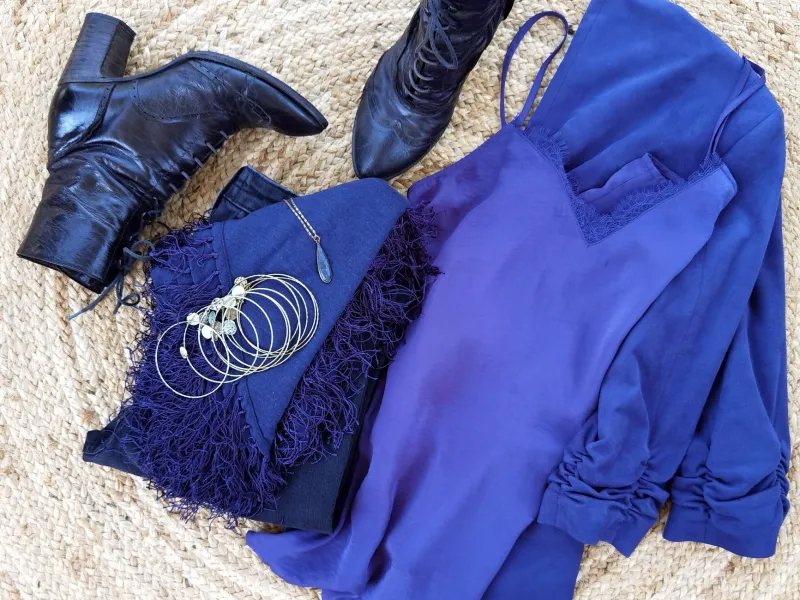
Picture the marketing copy. 'Effortlessly coordinates with your existing wardrobe.' 'A versatile neutral that pairs with anything.' 'Part of our curated capsule collection — mix, match, and make it your own.' It sounds like a promise. And on the product page, surrounded by carefully styled editorial photos, it genuinely looks like one.
Then the item arrives. You hold it up next to your actual clothes, in your actual bedroom, under actual lighting. And something doesn't quite work. The beige is too warm. The 'classic' cut is slightly off from everything else you own. The fabric looks fine on its own but somehow clashes with three-quarters of your closet.
You're not imagining it. And you're definitely not alone.
The Myth of the Universal Neutral
The fashion and home goods industries have built entire product lines around the concept of 'versatility.' The logic is seductive: buy one piece that works with many others, and you're being smart with your money. The problem is that versatility is almost always demonstrated in a controlled environment — the brand's own photoshoot, using the brand's own other products, styled by professionals whose job is to make everything look cohesive.
In the real world, your wardrobe isn't a brand campaign. It's a collection of things you've bought from a dozen different places over the past several years, in slightly different shades of navy, slightly different cuts of denim, slightly different interpretations of 'minimalist.' When a new 'versatile' piece enters that ecosystem, it has to compete with all of that existing complexity. And it often loses.
The same principle applies to home goods. A 'coordinating' throw pillow that looks perfect next to the matching duvet cover in the product photo may look completely off next to the rug you already own, under the warm-toned lamp you've had for three years.
How 'Mix-Ability' Becomes a Spending Trap
Here's where the real budget damage happens. When a 'versatile' piece doesn't quite work with what you own, the natural instinct isn't to return it — it's to buy the other pieces that would make it work.
You bought the linen trousers because they were supposed to go with everything. They don't quite go with your existing tops. So now you're looking at the brand's other linen pieces, the ones they conveniently showed in the same photoshoot. Maybe the matching blouse would pull it together. Maybe the coordinating blazer is the missing link.
This is exactly what 'capsule collection' marketing is designed to do. It's not just selling you one product — it's selling you an ecosystem. Each individual piece is priced accessibly. The full set, which is what you actually need to make any of it work the way it looked on the site, is a much more significant investment.
Retailers who specialize in 'mix and match' collections understand that the first purchase is often just the entry point. The subsequent purchases — the ones you make because the first thing didn't quite integrate with your existing setup — are where the real revenue is.
What a Real Wardrobe Audit Looks Like
Before buying anything described as 'versatile,' it's worth doing a quick audit of what you actually own. Not in your head — physically. Pull out the items you'd theoretically pair the new piece with and look at them together.
Ask yourself these questions:
Does the color actually match, or just roughly match? 'Neutral' covers a massive spectrum. Cool grays and warm taupes both qualify as neutrals but can clash badly. If you can't see the new item next to your existing pieces before buying, look closely at the product photos for undertones.
Does the fabric weight make sense with what you already own? A lightweight linen top won't layer naturally with heavy structured blazers. A chunky knit throw won't sit comfortably with sleek, smooth upholstery.
Can you name three specific things you already own that this would pair with? Not vague categories — specific items. If you can't name three, the piece probably isn't as versatile for your wardrobe as the marketing suggests.
Is the 'versatility' dependent on items you don't have yet? If the answer is yes, factor in the cost of those additional items before deciding the original piece is a good value.
The Coordination Illusion in Home Goods
This problem isn't limited to clothing. Home décor brands have mastered the art of selling 'cohesive looks' that require buying multiple pieces from the same collection to achieve. A single accent chair looks fine on its own. But the product page shows it next to a side table, a lamp, and a rug — all from the same brand, all in the same curated palette.
Buy just the chair, and it might look slightly orphaned in your actual living room. Buy the whole setup, and you've spent three times what you planned on a room refresh that wasn't on your radar when you started browsing.
The fix is the same as with clothing: evaluate the new piece against what you already own, not against the idealized version of a room you don't have yet.
Shopping Smarter at ShopMix365
At ShopMix365, 'mix and match' is something we actually believe in — but it has to start with what's already in your home and your closet, not with what a brand tells you should be there. The best versatile piece is one that slides seamlessly into your existing setup without requiring five supporting purchases to justify it.
Next time you see 'pairs with everything' in a product description, treat it as a starting point for your own evaluation, not a conclusion. Take ten minutes to look at what you actually own. The most versatile thing in your wardrobe might already be hanging there.