Stocking Up on Fear: The Real Reason Your Junk Drawer Is Full of Stuff You've Never Touched
That Spare Charger Isn't Saving You — It's Just Sitting There
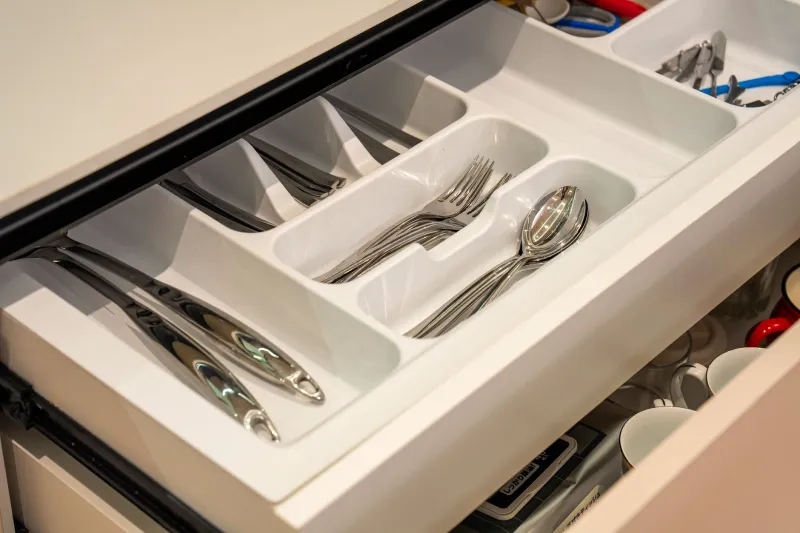
Open your junk drawer. Go ahead. Somewhere in there, there's probably a duplicate phone charger, a second pair of scissors, maybe an extra set of measuring cups still in the packaging. You bought all of it with the best intentions. You were being prepared. Responsible, even.
But here's the thing — most of that backup gear has never been used. And if you're being honest with yourself, it probably never will be.
This is what behavioral economists call the "just in case" trap, and it's one of the sneakiest ways everyday shopping habits quietly drain your bank account. It doesn't feel like overspending because it feels like planning. But planning and hoarding are closer cousins than most of us want to admit.
The Psychology Behind the Backup Buy
Humans are wired to avoid loss. It's a survival instinct that served our ancestors well — stock up when food is plentiful, prepare for the lean times. The problem is that this ancient mental wiring doesn't always map cleanly onto modern consumer life. Your brain can't always tell the difference between "we might run out of winter provisions" and "I should grab a second garlic press just in case mine breaks."
Psychologists call this loss aversion — the tendency to feel the pain of losing something more intensely than the pleasure of gaining it. When you imagine your phone charger dying on a cross-country trip, your brain registers that as a genuine threat. Buying a backup immediately neutralizes that discomfort. The purchase feels like a solution even when the problem is mostly hypothetical.
And retailers know this. They know it extremely well.
How Stores Engineer the Fear of Running Out
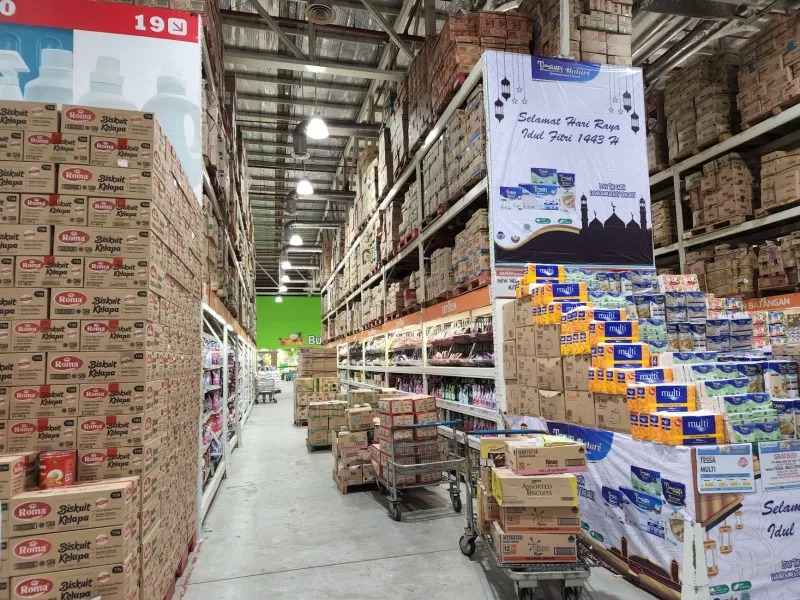
Next time you're shopping online or wandering through a big-box store, pay attention to the language around you. "Stock up and save." "Buy 2, get 1 free." "Limited quantities available." These aren't just marketing phrases — they're carefully engineered triggers designed to activate your scarcity instincts.
When a retailer slaps a "low stock" warning on a product page, your brain stops asking do I need this and starts asking what if I can't get it later? That shift in framing is enormously powerful. Studies have shown that perceived scarcity can increase purchase intent even when consumers weren't planning to buy at all.
Bundle deals are another classic move. Selling a single item at $12 versus three for $25 seems like a bargain — but only if you actually use all three. For a lot of households, that two-pack of backup phone chargers means one gets used and one gets tossed in a drawer until it's too outdated to work with your next phone.
The Real Price Tag on "Prepared"
Let's put some rough numbers on this. Say you spend an average of $15 on backup or duplicate purchases each month — an extra charging cable here, a second set of batteries there, a spare kitchen tool you spotted on sale. That's $180 a year on stuff that largely sits unused. Over five years, you're looking at $900 or more in items that never earned their shelf space.
And that's before you factor in the secondary costs: the mental clutter of managing all that extra stuff, the physical space it occupies, and the eventual cost of replacing or disposing of items that expired, went out of style, or simply got lost in the chaos of your own storage.
Preparing for genuine emergencies is smart. Buying a third set of mixing bowls because they were on sale is not an emergency plan — it's anxiety in retail form.
Genuine Preparedness vs. Anxiety Shopping: How to Tell the Difference
So how do you draw the line between smart stocking up and buying duplicates you'll never touch? A few honest questions can help:
1. What's the realistic failure scenario? If your only phone charger died tomorrow, how hard would it actually be to get a replacement? For most people in most cities, a replacement is a same-day fix. A spare might make sense for long road trips or camping. It probably doesn't need to live permanently in your kitchen drawer.
2. How often does this item actually fail or run out? If you can't remember the last time you ran out of something, you probably don't need a backup. If an item breaks or depletes regularly, a spare might genuinely earn its place.
3. Would you buy this if it weren't on sale? This is a big one. A lot of duplicate purchases are driven entirely by the perceived deal, not by any actual need. If the answer is "probably not," the sale is creating the demand — not your pantry shelf.
4. Do you already have one that works? It sounds obvious, but in the moment of a good deal, it's easy to forget that you already own a perfectly functional version of the thing you're about to buy.
A Smarter Way to Think About Backups
Not all duplicates are bad decisions. There are categories where a backup genuinely makes sense — medications, first aid supplies, certain pantry staples if you live far from a grocery store, or items you use so frequently that a failure would cause real disruption to your day.
The trick is to be deliberate about which category something falls into before you buy it. One useful approach: before purchasing a backup of anything, physically locate the original first. If you can't find it in under two minutes, your organizational system needs work — and buying another one won't fix that problem, it'll just bury it deeper.
Another strategy is to create a simple household inventory for the items you're most prone to over-buying. It doesn't have to be elaborate — even a note on your phone listing what you already have in storage can break the cycle of impulse backup purchases.
Preparedness Is a Feeling, Not a Pile of Stuff
Here's the uncomfortable truth: buying duplicates rarely delivers the security it promises. The anxiety that drives you to grab a backup charger or an extra set of measuring spoons doesn't actually go away when you own two of something. It just finds the next item to attach to.
Real preparedness is more about systems than stockpiles. Knowing where your things are, maintaining what you own, and having a realistic plan for genuine disruptions will do more for your peace of mind than any drawer full of "just in case" purchases.
Shopping smart doesn't mean never buying ahead. It means being honest about the difference between a genuine need and a fear your retailer was kind enough to sell you a solution for. Next time that backup buy is calling your name, ask yourself whether you're filling a gap in your life — or just a gap in your anxiety.
Chances are, you've already got everything you need.